When it comes to selecting a Lab Drying Oven, the options in 2026 are diverse and intricate. These ovens play a crucial role in many scientific and industrial applications. They provide consistent heat for drying samples, ensuring accuracy and reliability in results.
Choosing the right model can be daunting. Various features, such as temperature range and humidity control, must be considered. Cost can be another factor that complicates the decision. Some labs have tight budgets, while others may seek advanced technology.
It’s essential to research manufacturers and read user reviews. Not all products are created equal. Some models might not perform as advertised. By being diligent, you can find a Lab Drying Oven that meets your specific needs. This guide aims to simplify your choice with insights from industry experts.
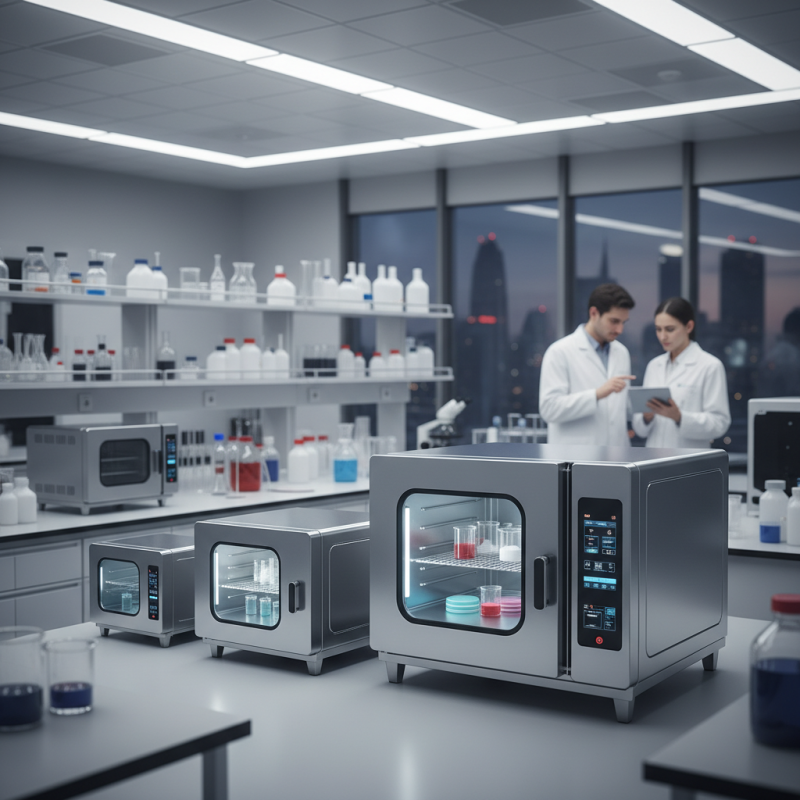
The evolution of drying oven technology has significantly impacted various industries, from pharmaceuticals to food processing. These devices are crucial for removing moisture from materials, ensuring quality and shelf life. According to a report by Grand View Research, the global laboratory drying oven market is projected to reach $1.5 billion by 2026. This growth highlights the increasing reliance on efficient drying solutions.
Modern drying ovens utilize advanced techniques like convection and vacuum drying. These methods enhance efficiency and reduce processing times. For instance, convection ovens circulate hot air to achieve uniform drying. Meanwhile, vacuum ovens create a low-pressure environment, which allows moisture to evaporate at lower temperatures. This is essential for heat-sensitive materials.
Tip: When selecting a drying oven, consider capacity and temperature range. Different applications require specific settings. It's vital to assess your needs before making a purchase.
Despite advancements, challenges remain. Calibration issues and temperature inconsistencies can lead to subpar results. Regular maintenance is crucial for optimal performance. Users should periodically evaluate their equipment to ensure accurate functioning.
Tip: Keep a log of maintenance and performance checks. This can help identify patterns and issues early on. Regular assessments can prevent costly downtime and improve reliability.
When choosing a laboratory drying oven, several key features should be at the forefront of your mind. Temperature consistency is crucial. Ensure the oven can maintain accurate heat levels across its working space. This prevents uneven drying, which can ruin your samples. Good insulation is also vital. It helps maintain temperature while saving energy. Look for models that effectively minimize heat loss.
Another important aspect is airflow management. Proper circulation facilitates even drying. Some ovens offer forced air circulation, which speeds up the drying process. It's worthwhile to consider models that allow you to adjust fan speeds. This feature provides flexibility for various drying requirements. User-friendly controls add to the appeal. A clear digital display simplifies monitoring and adjustments.
Capacity should align with your needs. Consider how much space you have in your lab. Some ovens are bulky, while others are compact. Think about what you typically dry. If you're working with larger items, opt for a more spacious design. Reflect on the long-term costs. Investing in a durable oven may seem pricey, but it can save you money over time.
When choosing a lab drying oven, understanding specific features is crucial. Advanced models in 2026 highlight precision temperature control. This feature enhances the reliability of experiments. Consistent heat distribution is essential for uniform drying.
Energy efficiency is another key factor. Ovens that use less energy can save significant costs over time. However, not all energy-efficient models perform equally well. Some may have slower drying times. Analyzing these trade-offs can lead to better decision-making.
User-friendly interfaces also stand out in top models. Intuitive controls can simplify operations. Yet, it’s easy to overlook the importance of a well-designed display. A confusing interface can lead to errors. While technology improves, the need for proper training remains vital. Experimenting with different ovens can yield surprising insights, but it requires time and careful evaluation.
| Model | Temperature Range (°C) | Capacity (Liters) | Heating Type | Price Range (USD) |
|---|---|---|---|---|
| Model A | 50 - 250 | 100 | Convection | $1200 - $1500 |
| Model B | 30 - 200 | 150 | Forced Air | $900 - $1300 |
| Model C | 60 - 300 | 200 | Radiant | $1500 - $1800 |
| Model D | 0 - 250 | 75 | Microwave | $800 - $1100 |
| Model E | 20 - 180 | 125 | Hybrid | $950 - $1250 |
In the evolving landscape of laboratory drying ovens, understanding the differences among leading models is crucial. Recent industry reports indicate that the global market for drying ovens is projected to grow by over 6% annually through 2026. This rise points to innovative features and advanced technology becoming the norm in various applications, from pharmaceuticals to materials testing.
One key aspect in comparing drying ovens is temperature control accuracy. Reports show that models offering precise temperature regulation can enhance sample consistency. This is particularly important in laboratories where even slight deviations can affect results. Consideration should also be given to energy efficiency. Some models consume significantly less power, which can lead to reduced operational costs over time. Data reveals that energy-efficient ovens can save up to 30% on energy bills, a number that cannot be overlooked for long-term laboratory budgeting.
Moreover, user experience surveys highlight the significance of ease of use. Some advanced models feature intuitive interfaces, but not all do. While some equipment claims to simplify operations, users have pointed out that complex settings can lead to frustration. It's a reminder that, despite technological advancements, user feedback must drive improvements. Balancing performance with usability continues to be a challenge as manufacturers strive to meet diverse laboratory needs.
This chart compares the temperature ranges of five leading lab drying oven models available in 2026. Each model's performance indicates its capability for various drying applications.
Maintaining and optimizing drying ovens is essential for laboratory efficiency. Proper care ensures consistent performance and extends equipment lifespan. Start by regularly checking the temperature calibration. Inaccurate readings can lead to poor drying results. A simple test using a reliable thermometer can point out discrepancies.
Next, clean the oven interior and shelves frequently. Residue buildup can cause uneven heating. Use appropriate cleaning agents that won’t damage the oven coatings. Ensure all surfaces are dry before using the oven again. Routine checks on door seals are crucial. Damaged seals can lead to heat loss and affect operation.
Tips: Monitor airflow within the drying oven. Blocked vents can disrupt circulation. Consider adjusting the load to promote even drying. Avoid overcrowding to enhance airflow. Regular maintenance isn’t just a task; it requires active reflection. Take note of any inconsistencies in the drying process for future adjustments. Consistent documentation helps identify trends and areas needing improvement. Your oven's efficiency depends on your commitment to its upkeep.
: Temperature consistency ensures even drying. It prevents ruining samples due to uneven heat distribution.
Good insulation helps maintain temperature and saves energy. It minimizes heat loss during operation.
Proper airflow ensures even drying. Some ovens have adjustable fan speeds for varying drying needs.
Capacity should match your lab space and drying requirements. Larger items require more spacious designs.
Regular maintenance ensures consistent performance. It helps detect issues early and extends the oven's lifespan.
Intuitive controls simplify monitoring and adjustments. Complex settings can frustrate users and impact efficiency.
Energy-efficient models can save up to 30% on bills. This is important for long-term budget planning.
Regularly check calibration using a reliable thermometer. Discrepancies can lead to poor drying outcomes.
Clean the oven and shelves regularly. Use appropriate agents and ensure surfaces are dry before reuse.
Documentation helps identify trends and areas for improvement. It aids in enhancing the efficiency of your oven.
In the realm of laboratory equipment, Lab Drying Ovens play a crucial role in various applications, including materials testing, sample preparation, and drying processes. This article provides an overview of drying oven technology and highlights key features to consider when selecting the right model, such as temperature range, accuracy, and energy efficiency.
Additionally, the piece reviews the top lab drying oven models for 2026, offering insights into their capabilities and performance. A comparative analysis of leading brands is also presented, allowing researchers and technicians to make informed decisions based on their specific needs. Finally, guidelines for the maintenance and optimization of drying ovens ensure their longevity and efficiency, ultimately enhancing laboratory productivity.

XUD Ovens