China’s industrial drying sector supports food processing, pharmaceuticals, electronics, chemicals, and advanced materials. A Dryer Oven Machine must deliver more than high temperature. It must provide stable airflow, uniform heating, accurate controls, and safe operation. Small differences matter. A few degrees can affect moisture levels, coating quality, or product strength.
Industry data shows why this market deserves careful attention. The International Energy Agency’s Energy Efficiency 2023 report identifies industry as one of the world’s largest energy-consuming sectors. This makes thermal efficiency increasingly important for factory buyers. Fortune Business Insights also reports steady growth in the global industrial oven market, driven by automation, manufacturing expansion, and stricter process requirements. These trends place Chinese manufacturers under greater pressure to improve insulation, temperature control, monitoring, and energy recovery.
This guide examines China’s top 10 Dryer Oven Machine manufacturers through practical purchasing criteria. These include production experience, application expertise, heating uniformity, chamber design, controller reliability, certifications, testing records, export history, and after-sales support. Company scale alone does not prove machine quality. A supplier may have attractive brochures but limited evidence from real installations. That deserves questioning. No shortlist is perfect, because performance depends on the material, loading pattern, operating temperature, and site conditions. Buyers should request sample testing, temperature mapping results, maintenance guidance, and clear warranty terms before making a decision. The following overview aims to connect published industry evidence with realistic factory needs, helping readers compare suppliers with greater confidence and fewer assumptions.
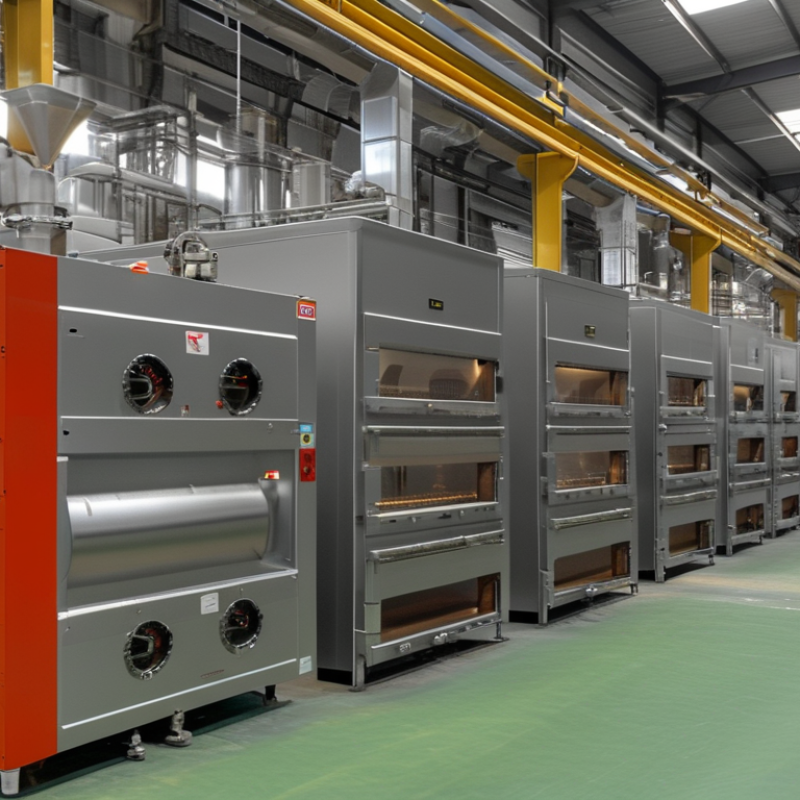
What Is a Dryer Oven Machine?
A dryer oven machine is an enclosed chamber that removes moisture from materials through controlled heat and airflow. It combines heating elements, circulation fans, trays, insulation, and temperature controls. Operators place wet products inside, set a suitable temperature, and allow warm air to pass across their surfaces. Moisture leaves the chamber through ventilation or an exhaust system.
In practical use, drying is more than simply raising the temperature. I check the material’s thickness, moisture level, and heat tolerance before choosing a cycle. A calibrated sensor helps verify the actual chamber temperature, while airflow testing reveals cold spots near corners or doors. Uneven airflow can leave the outside dry and the center damp. That problem is easy to miss.
Small details matter. A properly loaded tray improves circulation. Overloading creates resistance and extends drying time. For sensitive materials, a lower temperature with longer exposure may prevent cracking, discoloration, or deformation.
Operators should record temperature, time, batch weight, and inspection results. These records support repeatable production and easier troubleshooting.
The machine should include insulation, guarded hot surfaces, emergency controls, and reliable door interlocks. Regular cleaning prevents dust buildup around fans and vents. Energy consumption also deserves attention, because poor insulation quietly increases operating costs.
I have seen a perfect-looking cycle fail because the product was stacked too tightly. That experience requires reflection: the displayed setting is not proof of uniform drying. A small trial batch and moisture check often reveal more than assumptions.
How to Evaluate Chinese Dryer Oven Manufacturers
Choosing among China’s top dryer oven machine manufacturers requires more than comparing catalog prices. Start with the production process your oven must handle. Record the material, target temperature, batch size, heating time, and allowable moisture level. A reliable manufacturer should discuss these details before proposing a model.
Ask for drawings, electrical diagrams, and a clear heating uniformity report. Inspect the chamber, insulation thickness, fan layout, and temperature sensors. Request a video of a running machine, not only polished factory photographs. Better suppliers can explain airflow testing, controller accuracy, and emergency shutdown design. Factory experience matters here.
Visit the workshop when possible. Check welding quality, cable labeling, spare parts storage, and final inspection records. Ask how many similar ovens they have delivered and request references from comparable industries. Verify material certificates and applicable safety documentation independently. Do not accept vague promises.
After-sales support often reveals the real difference. Confirm installation guidance, response time, warranty limits, and the availability of heating elements, relays, and sensors. A low quote may exclude insulation upgrades or export packaging. That mistake becomes expensive later. I would also test one sample batch before placing a large order. No evaluation is perfect. Even a careful audit can miss weak software or inconsistent assembly. Leave room for technical questions, revised drawings, and one uncomfortable conversation about failure responsibility.
China’s Top 10 Dryer Oven Machine Manufacturers
China’s Top 10 Dryer Oven Machine Manufacturers are often compared through engineering capability, production control, and after-sales support. The phrase “top 10” is not an official ranking. It usually describes a practical shortlist based on market visibility and customer performance.
Reliable manufacturers should offer ovens matched to the material, output, and required temperature range. For powder coating, a stable airflow pattern matters greatly. For food, pharmaceutical, or electronic components, temperature uniformity and cleanable interiors require closer inspection. Ask for heating-zone data, insulation thickness, control accuracy, and documented safety testing. Factory videos help, but live testing is stronger evidence.
Look for stainless-steel chambers, adjustable circulation fans, insulated doors, and programmable controllers. A well-built oven should recover temperature quickly after loading. It should also prevent cold corners around dense products. Small details matter. Door seals often reveal build quality.
Experienced buyers should request a sample trial before signing a large order. Measure actual temperature at several chamber points, not only the controller display. Review wiring diagrams, spare-part lists, installation guidance, and warranty terms. Communication can still be uneven, even among capable suppliers. That deserves attention. Some manufacturers present impressive specifications but provide limited test records or unclear service procedures. A careful comparison should include energy use, lead time, customization limits, and the manufacturer’s ability to support long-term operation.
Key Products and Technologies Offered by Each Manufacturer
Industrial dryer-oven manufacturers now compete through energy control, air movement, and process consistency. The International Energy Agency’s Energy Efficiency 2023 report states that industry used about 37% of global final energy in 2022. That figure makes thermal efficiency a purchasing priority.
One manufacturer supplies batch ovens with programmable temperature ramps. Another focuses on continuous conveyor dryers for high-volume coating lines. A third offers infrared-assisted systems, which shorten surface heating time. The fourth develops vacuum ovens for moisture-sensitive components. The fifth combines dehumidified air with low-temperature drying. This matters for plastics, electronics, and coated metals.
A sixth manufacturer produces cleanroom ovens with HEPA-filtered circulation. The seventh builds explosion-protected designs for approved industrial solvents. The eighth integrates heat recovery from exhaust air. The ninth offers microwave-assisted drying for selected food and chemical applications. The tenth focuses on modular systems with remote monitoring, recipe control, and production alarms.
The U.S. Department of Energy identifies waste heat recovery and improved process controls as practical industrial efficiency measures. However, reported savings vary widely between factories. A catalog claim is not plant evidence. Operators should compare moisture profiles, airflow readings, chamber uniformity, and annual energy use under identical loads. Infrared heating can be excellent for thin coatings, but it may produce uneven results on complex parts. Vacuum drying can protect sensitive materials, yet its pumps add maintenance demands. Testing should include cold-start behavior, door leakage, sensor drift, and actual batch records. Small details decide reliability.
How to Select the Right Chinese Dryer Oven Supplier
Selecting a Chinese dryer oven supplier requires more than comparing online prices. The right partner should understand your material, moisture level, batch size, temperature range, and drying cycle. Ask for airflow diagrams, temperature-uniformity data, control-system details, and recent inspection records. A supplier with practical engineering experience will explain limitations clearly, not promise perfect results.
Request a sample test using your actual product. Measure drying time, surface condition, energy use, and temperature stability at different chamber points. Small details matter, especially near the door and exhaust outlet. Review welding quality, insulation thickness, tray design, and component accessibility. I once underestimated maintenance space; that mistake made routine cleaning unnecessarily slow. A lower purchase price may become expensive after installation.
Tips: Visit the factory by video or in person. Watch a machine running, not only showroom footage. Confirm production drawings, acceptance criteria, spare-parts availability, warranty scope, and response time before signing. Check whether the supplier can provide installation guidance, operating manuals, and training in clear English. Verify that the oven can meet your local electrical and safety requirements. Keep every technical promise in the contract. Vague promises cause trouble. Ask for references from similar applications, while remembering that one successful case does not prove universal performance.
How to Select the Right Chinese Dryer Oven Supplier
A practical supplier evaluation model for industrial dryer oven purchasing. The weighting emphasizes performance, compliance, lifecycle cost, and after-sales capability rather than company or brand names.
Use these percentages as a procurement scoring framework: compare shortlisted suppliers against the same criteria, verify technical claims with test reports, and request references for similar drying applications.
FAQS
: It is an enclosed chamber that removes moisture using controlled heat and airflow. It uses heaters, fans, trays, insulation, sensors, and controls. Moisture exits through ventilation or an exhaust system.
Warm air passes across wet surfaces and absorbs moisture. The exhaust system carries humid air outside the chamber. Airflow matters as much as heat.
Check the material’s thickness, moisture level, and heat tolerance. Sensitive materials may need lower heat and longer exposure. High temperatures can cause cracking, discoloration, or deformation. More heat is not always better.
Poor airflow can create cold spots near corners, doors, or exhaust outlets. A tightly stacked batch may dry outside while remaining damp inside. That problem is easy to miss. Test moisture after drying.
Leave space between trays and products for air movement. Avoid heavy stacking, because it increases airflow resistance. A properly loaded tray can shorten drying time. I once underestimated this detail.
Record temperature, drying time, batch weight, and inspection results. Moisture readings also support repeatable production. These records make troubleshooting easier. The displayed setting is not proof of uniform drying.
Request airflow diagrams, temperature-uniformity data, control details, and inspection records. Ask for a sample test using your actual material. Measure drying time, energy use, surface condition, and temperature stability. Promises need evidence.
Look for insulation, guarded hot surfaces, emergency controls, and reliable door interlocks. Confirm local electrical and safety compatibility before purchase. Clean fans and vents regularly to prevent dust buildup. Maintenance space matters more than it first appears.
Include drawings, acceptance criteria, spare-parts availability, warranty coverage, and response times. Request clear English manuals, installation guidance, and operator training. Keep technical promises in writing. Vague promises cause trouble.
Conclusion
This article presents a practical overview of the Dryer Oven Machine industry in China, beginning with the machine’s basic functions, operating principles, and common applications in drying, heating, curing, and moisture removal processes. It explains how these systems can be selected according to temperature range, chamber size, airflow design, energy efficiency, automation level, and production requirements. The article also introduces ten leading types of Chinese manufacturers, focusing on their product capabilities, engineering experience, customization services, and quality-control approaches without promoting any specific brand.
In addition, the guide reviews key technologies commonly offered by Chinese suppliers, including forced-air circulation, programmable temperature control, safety protection systems, energy-saving designs, and tailored chamber configurations. It concludes with practical advice for evaluating suppliers, such as checking certifications, technical support, manufacturing capacity, delivery reliability, warranty terms, and after-sales service. These criteria can help international buyers identify a suitable Dryer Oven Machine supplier and build a dependable, long-term purchasing relationship.

 XUD Ovens