Choosing the right Industrial Ovens is crucial for many businesses. The right oven can enhance productivity and ensure product quality. However, with so many options available, the selection process can be overwhelming. It’s essential to understand what features you need for your specific requirements.
When evaluating Industrial Ovens, consider the materials you work with. Some ovens are designed for high-temperature applications, while others are suited for gentle drying. The size and capacity of the oven should align with your production volume. Energy efficiency is another critical factor. Operating costs can quickly add up.
Despite these guidelines, many businesses still struggle to make the right choice. It’s easy to overlook important details. For instance, choosing an oven that is too small could hinder production. Conversely, an oversized oven may waste energy and space. Reflecting on these factors will help ensure a sound investment in your operations.
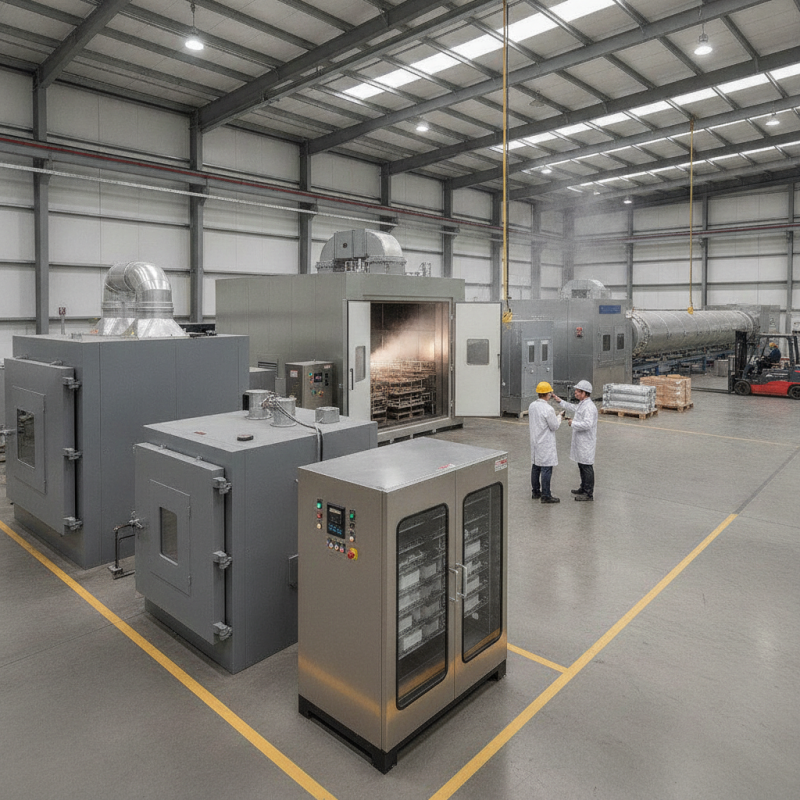
Choosing the right industrial ovens involves understanding the various types available and their specific applications. There are convection ovens, infrared ovens, and vacuum ovens, each serving unique purposes. According to a recent report by Markets and Markets, the global industrial oven market is expected to grow to USD 8.3 billion by 2025, reflecting the rising demand for efficient heating solutions.
Convection ovens are popular in food processing due to their even heat distribution. These ovens circulate hot air, ensuring consistent temperatures. Infrared ovens, on the other hand, heat using radiation, making them ideal for coatings and drying processes. Vacuum ovens remove air to prevent oxidation, which is critical for sensitive materials. Each type has strengths and weaknesses, and their effectiveness heavily depends on the specific application.
Tips: Assess your production needs before choosing. Look for ovens that can adapt to different products. Understand energy consumption. Efficient ovens can save costs in the long run. Explore maintenance requirements as well. Keeping ovens clean extends their lifespan, but maintenance can be complex. Make sure you have a reliable support system in place.
When selecting industrial ovens, evaluating specifications is crucial. Size determines production capacity. A 10-cubic-foot oven might suit small-scale operations, while a 40-cubic-foot model is apt for large manufacturers. The right space can enhance workflow efficiency. A poorly sized oven can lead to bottlenecks in production.
Temperature range is equally important. Ovens must reach and maintain specific temperatures for different applications. For example, baking may require 350°F, while curing might need up to 500°F. Many reports indicate that a 20°F variation can lead to inconsistent product quality. Regular calibration is essential. Any fluctuation in temperature can result in wasted materials and increased costs.
Power requirements can affect operational efficiency. Electric ovens typically provide consistent heating. Gas options may offer energy savings in larger models. However, power fluctuations should be monitored closely. High volatility in power supply can lead to operational risks. Investing in a reliable power source is crucial for maintaining product quality and operational continuity.
Choosing the right industrial oven involves more than just picking a model. Energy efficiency and operating costs play crucial roles in making a long-term investment. As energy prices fluctuate, selecting an oven with lower energy consumption can yield significant savings. Look for ovens that have enhanced insulation features and heat recovery systems. This can help maintain consistent temperatures while reducing electricity usage.
Operating costs extend beyond initial purchase prices. Maintenance is a key factor. Regular servicing ensures that your oven runs efficiently. A well-maintained oven uses less energy and can prevent costly downtimes. Also, consider the typical lifespan of the oven. Investing in high-quality equipment may cost more upfront but can lower long-term financial load.
It’s wise to compare the energy ratings of different models. A higher rating usually means better performance and lower utility bills. However, some ovens marketed as efficient may not deliver the promised savings. Conduct thorough research and gather user feedback. Understanding real-world performance will equip you to make an informed decision.
| Oven Type | Energy Efficiency (%) | Operating Costs ($/month) | Initial Investment ($) | Lifespan (Years) |
|---|---|---|---|---|
| Convection Oven | 85 | 350 | 5,000 | 15 |
| Infrared Oven | 90 | 300 | 6,500 | 10 |
| Bake Oven | 80 | 400 | 4,500 | 12 |
| Curing Oven | 75 | 500 | 8,000 | 20 |
| Drying Oven | 78 | 450 | 7,500 | 15 |
When selecting industrial ovens, industry standards and safety regulations are critical. Different industries have unique compliance requirements. For example, the food sector adheres to strict hygiene and safety protocols. Pharmaceutical companies focus on precise temperature control to maintain product integrity. Understanding these standards ensures that your ovens meet necessary safety regulations.
Compliance goes beyond just choosing the right equipment. Regular maintenance is essential to ensure safety and efficiency. Ovens must be regularly inspected to prevent potential hazards. Personnel must be trained on proper operation and safety measures. Ignoring these aspects can lead to costly fines or even injuries.
Testing and documentation play a vital role in compliance. Keeping records of maintenance and inspections is an absolute necessity. This not only helps in audits but also reinforces a culture of safety within the organization. Reflecting on these processes often reveals areas for improvement. Investing time and resources in understanding compliance can enhance reliability and trust in your industrial operations.
When selecting industrial ovens, automation features can boost operational efficiency. Data from the Global Industrial Oven Market Report highlights that 45% of businesses report higher productivity with automated systems. Automated controls streamline processes, ensuring consistent temperature management.
Consider the control systems in place. Digital controls often provide precise temperature monitoring and adjustments. According to a recent industry survey, 67% of operators prefer user-friendly interfaces. This preference highlights the need for intuitive controls that can reduce errors during operation. However, not all systems are equally reliable. Ensuring that a control system can withstand wear and tear is crucial for minimizing downtime.
Maintenance requirements are another critical factor. Regular maintenance is essential for optimal performance. Companies that follow strict maintenance schedules report 30% less downtime. Yet, it is often overlooked. Businesses must reflect on their maintenance capabilities. Are there enough skilled personnel? A well-planned maintenance strategy can save costs in the long run. Emphasizing these features will lead to better efficiency and productivity for your operation.
: The main types include convection, infrared, and vacuum ovens. Each type serves unique purposes.
Convection ovens offer even heat distribution. They circulate hot air to maintain consistent temperatures.
Infrared ovens use radiation for heating. They are ideal for coatings and drying processes.
Vacuum ovens remove air to prevent oxidation. This is crucial for preserving sensitive materials.
Assess production needs and energy consumption. Efficient ovens can lead to long-term cost savings.
Regular maintenance ensures optimal performance. Companies that maintain ovens report less downtime.
Automation improves operational efficiency. Many businesses experience higher productivity with automated systems.
Digital controls provide precise temperature monitoring. User-friendly interfaces help reduce operational errors.
Consider if there's enough skilled personnel. A solid maintenance strategy is necessary for cost savings.
Not all systems can withstand wear and tear. Choose a control system that minimizes downtime.
Choosing the right industrial ovens for your business involves a comprehensive understanding of the different types and their specific applications. Each industrial oven comes with various specifications, including size, temperature range, and power requirements, which must be evaluated based on your production needs. Additionally, assessing energy efficiency and operating costs is crucial for ensuring a long-term investment that not only meets production goals but also reduces overhead.
Furthermore, it is important to identify industry standards and compliance related to safety regulations to maintain workplace safety. Finally, considering additional features such as automation, controls, and maintenance needs can enhance productivity and ease of operation. By carefully addressing these aspects, businesses can select industrial ovens that align with their operational requirements and contribute to their overall success.

XUD Ovens