How to Choose the Best Composite Oven for Your Business?

Time:2026-05-11 Author:Oliver
0%

Choosing the right Composite Oven for your business can be a daunting task. Industry expert John Smith, a leading consultant in the baking equipment sector, once said, “The right oven can transform your production quality.” This rings true, particularly in the competitive food industry today.

When selecting a Composite Oven, understanding its features is crucial. Factors like size, heating efficiency, and versatility play pivotal roles. Many businesses overlook the importance of proper evaluation. A wrong choice can lead to inefficiencies and, ultimately, financial loss.

It's essential to research and, if possible, experience the oven firsthand. Testing how quickly it can achieve desired temperatures is vital. Additionally, consider the service and support from the manufacturer. A quality Composite Oven, backed by reliable support, can ensure your operations run smoothly. Reflecting on your specific needs will lead to a more informed decision.
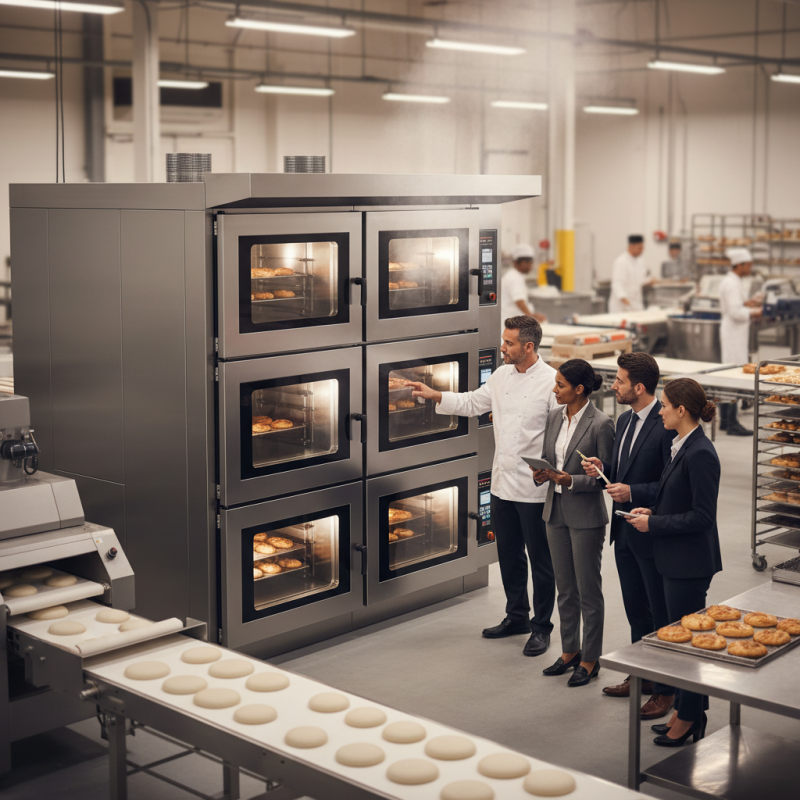
How to Choose the Best Composite Oven for Your Business?

Understanding the Different Types of Composite Ovens Available

When choosing a composite oven, understanding the types available is crucial. There are several varieties, including electric, gas, and wood-fired composite ovens. Each type offers distinct benefits. Electric ovens are often easier to control. They provide consistent temperatures, making them great for baking. Gas ovens heat up quickly and are energy-efficient. On the other hand, wood-fired ovens deliver a unique flavor. They create a high-temperature environment ideal for pizza and artisanal bread.

Consider your business needs when selecting an oven type. If you run a bakery, an electric oven may suit you well. For high-volume pizza production, a gas or wood-fired oven might be more efficient. Each oven has its quirks. Electric models can sometimes experience temperature fluctuations. Gas ovens may require additional ventilation. Wood-fired ovens demand skilled operation to maintain the fire.

Evaluate your space and budget as you choose. A larger oven may offer more cooking capacity but will cost more. It's vital to ensure the installation meets local codes. Assessing your cooking style will aid in finding the right fit. Review your options and seek expert advice for the best decision. The right choice can greatly enhance your culinary offerings.

Factors to Consider When Choosing a Composite Oven for Your Business

When selecting a composite oven for your business, several factors come into play. The size and capacity of the oven should match your production needs. A larger oven may offer more space, but it could consume more energy. Consider your kitchen layout carefully. Efficient use of space can enhance workflow. Evaluate the materials used in the oven's construction. Durable materials ensure longevity and reduce maintenance costs.

Temperature control is another critical factor. Even heat distribution leads to consistent results. Look for advanced features that guarantee precision. However, advanced technology may also raise the initial investment. Assess whether your team can manage these complexities. Energy efficiency should not be overlooked. It impacts both your operating costs and environmental footprint.

Lastly, consider the after-sales support provided by the manufacturer. Reliable service can minimize downtime. Research user reviews for insights on performance and service reliability. It is always valuable to learn from others' experiences. Choosing the right composite oven is not just about features; it's about fit for your unique business needs. Creating a balance is essential.

How to Choose the Best Composite Oven for Your Business? - Factors to Consider When Choosing a Composite Oven for Your Business

Factor Description Importance
Size Determine the cooking capacity needed for your business volume. High
Temperature Range Ensure the oven can reach the necessary temperatures for your menu. High
Energy Efficiency Look for ovens that consume less energy to save costs. Medium
Versatility Choose ovens that can perform multiple cooking functions. High
Ease of Use Consider user-friendly controls and programming features. Medium
Maintenance Requirements Evaluate how easy it is to clean and maintain the oven. Medium
Price Assess the budget while balancing features and quality. High

Evaluating the Oven Size and Capacity for Your Specific Needs

When selecting a composite oven, evaluating size and capacity is crucial. The right oven directly impacts cooking quality and efficiency. According to industry reports, about 60% of businesses struggle with inadequate oven capacity, leading to production delays. Understanding your specific needs helps avoid overspending on excessive capacity.

Consider your menu offerings. A bakery focused on small batch production may not require a large oven. Conversely, a pizzeria catering to high volumes needs space for multiple pizzas at once. The average portion per service should determine the oven size. Reports suggest that 70% of restaurants prefer ovens allowing flexibility with diverse menu items.

Limited space can also restrict options. Ensure your selected oven fits your kitchen layout. Improvisation, like stacking trays, may seem viable but can affect air circulation. This could lead to uneven cooking. Reflecting on these factors is essential for long-term success. Balancing capacity and kitchen constraints will lead to better workflow and customer satisfaction.

Analyzing Energy Efficiency and Operating Costs of Composite Ovens

When selecting a composite oven for your business, energy efficiency is crucial. These ovens use advanced materials to reduce heat loss. They often operate at lower temperatures while delivering excellent cooking results. This can significantly lower energy bills over time. However, initial costs may be higher, which requires careful consideration.

Moreover, operating costs extend beyond energy consumption. Regular maintenance is essential to ensure longevity and efficiency. Skipping maintenance can lead to higher costs down the line. Assessing the quality of the insulation is also important. Poor insulation can result in energy waste, which negates the benefits of energy-efficient models.

In addition, consider the operational capacity you require. A larger oven may seem appealing, but it can lead to unnecessary energy use if your business volume is low. Reflecting on your specific needs will help you make an informed decision. Balancing cost with operational efficiency is key to optimizing your investment.

Assessing Brand Reputation and Customer Reviews Before Purchase

When assessing composite ovens for your business, one crucial step is to check customer reviews. These reviews provide insights into real-world performance. Look for patterns in feedback. Common praise often includes durability and ease of use. Negative comments can reveal potential issues that may affect your workflow.

Pay attention to the reputation of the brands as well. Established brands have a history of quality. Newer brands may offer innovative features but lack customer trust. Explore online forums and foodservice communities. These spaces can showcase honest experiences from fellow business owners. Engaging with peers can help narrow your choices.

However, not all reviews are honest. Sometimes, businesses create fake reviews. Investigate the credibility of the sources you choose. Look for detailed feedback rather than just star ratings. A well-rounded view can enhance your decision-making process. The right oven for your business is out there, but careful evaluation is key. Consider what features matter most to you. In the end, informed choices lead to greater satisfaction and success.

FAQS

: What factors should I consider when choosing a composite oven?

: Evaluate size, capacity, temperature control, energy efficiency, and after-sales support.

How does oven size impact my business?

The right size ensures cooking quality while avoiding production delays caused by inadequate capacity.

What role does temperature control play in oven selection?

Even heat distribution leads to consistent cooking results, enhancing overall product quality.

Why is energy efficiency important for composite ovens?

Energy-efficient ovens lower operating costs and reduce your business's environmental footprint over time.

How does regular maintenance affect operating costs?

Skipping maintenance can lead to higher costs and reduce the oven's longevity and efficiency.

Can my kitchen layout influence oven selection?

Yes, limited space may restrict your options, affecting workflow and cooking efficiency.

What should I know about advanced features in ovens?

While they offer precision, advanced features may raise initial costs and complexity for your team.

How do I ensure I choose the right capacity for my oven?

Assess your menu offerings and average portion sizes to avoid overspending on unnecessary capacity.

What are the risks of poor insulation in an oven?

Poor insulation can lead to energy waste, negating the benefits of energy-efficient models.

How can I gather insights on oven performance before purchasing?

Research user reviews to understand performance and after-sales support from different sources.

Conclusion

Choosing the best composite oven for your business involves understanding the various types available on the market and considering several key factors. First, it's essential to evaluate the specific needs of your operation, including the size and capacity of the oven to ensure it meets your production demands. Additionally, energy efficiency and operating costs play a critical role in the long-term viability of your investment, as they can significantly impact your bottom line.

Furthermore, before making a decision, it's advisable to assess the reputation of the brand and review customer feedback. This will provide insights into the reliability and performance of the composite oven, helping you make an informed choice that aligns with your business goals. By carefully considering these aspects, you can select the composite oven that best suits your operational requirements and enhances your overall productivity.


Oliver

Oliver

Oliver is a seasoned marketing professional with a wealth of expertise in driving brand awareness and engagement. With a deep understanding of our company's product offerings, he consistently delivers high-quality content that enriches our professional blog. His insights not only shed light on......