Industrial infrared ovens are transforming production processes across various sectors in China. According to a report by MarketsandMarkets, the infrared heating market is projected to reach $2 billion by 2025, with a notable demand for efficient heating solutions. These ovens offer rapid heating, energy savings, and uniform temperature distribution, which are critical in production environments.
China's manufacturing landscape has seen a surge in the adoption of industrial infrared ovens. These systems not only enhance productivity but also reduce energy consumption by up to 50%, as indicated by research from the China National Building Material Federation. As industries strive for sustainability, these ovens present a viable solution. However, challenges remain, such as the need for skilled personnel to operate and integrate these advanced technologies effectively.
The shift towards infrared heating technology is not without its hurdles. Companies must carefully evaluate the costs involved and the long-term benefits. The potential for inefficiencies in implementation can affect overall production quality. Nevertheless, the advantages of adopting industrial infrared ovens are compelling, pushing more industries to explore this innovative heating method.
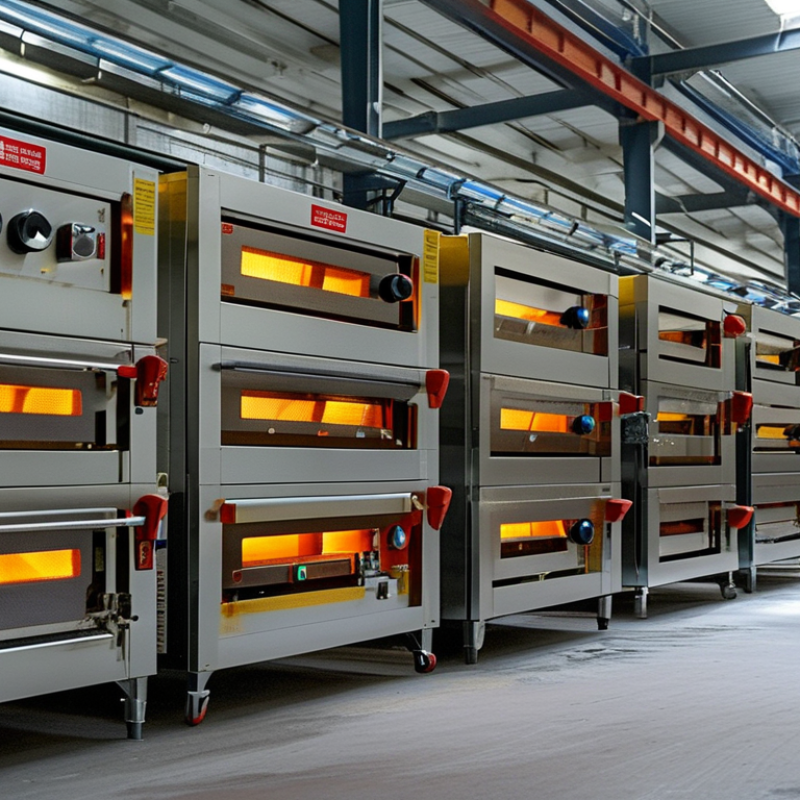
Overview of Industrial Infrared Ovens in China
Industrial infrared ovens have gained significant traction in China's production landscape. These ovens utilize infrared radiation for heating, resulting in efficient energy consumption and rapid drying processes. According to industry reports, the market for infrared ovens in China was valued at approximately USD 350 million in 2022, with a projected growth rate of 8% annually through 2028. This indicates a strong demand driven by sectors such as textiles, automotive, and food processing.
The adoption of infrared technology in manufacturing processes offers several advantages. For instance, it can reduce drying time by up to 50%, contributing to higher productivity. Traditional heating methods often lead to uneven temperatures and longer wait times. While infrared ovens can address these issues, challenges remain. Many manufacturers must adapt their production lines to integrate this technology effectively. Additionally, the initial investment costs can be a barrier for small enterprises.
Furthermore, industry analysts note the importance of choosing the right infrared oven configuration. Improper sizing or installation may lead to inefficiencies. The energy savings are significant, but only if the ovens are utilized correctly. Continuous training for operators is essential to maximize the benefits of these systems. With ongoing advancements, the future of industrial infrared ovens in China looks promising, but caution is necessary to avoid potential pitfalls in implementation.
Benefits of Using Infrared Ovens for Production Efficiency
Infrared ovens are becoming essential in industrial production. Their technology enhances efficiency in various manufacturing processes. These ovens work by using infrared radiation to heat materials directly. This method reduces energy consumption and leads to faster production times. Workers often notice a difference in output within days of using infrared ovens.
One significant benefit is the reduction of heat loss to the environment. Traditional ovens often waste energy, causing higher operational costs. In contrast, infrared ovens heat items more evenly, producing consistent results. This precision can minimize flaws in production, leading to higher quality products. Operators must remember, however, that not all materials respond the same way to infrared heat. Some may require adjustments to achieve optimal performance.
Implementation can also pose challenges. Initial setup costs might deter some manufacturers. Employees need training to operate equipment effectively. Without proper knowledge, the benefits may not be fully realized. It’s crucial to evaluate these factors to ensure the best use of infrared ovens in production lines.
Key Features of Top Industrial Infrared Ovens in China
Industrial infrared ovens in China are gaining popularity for their efficiency and versatility.
These ovens use infrared radiation to heat materials, reducing energy consumption and boosting productivity.
Many industries benefit from this technology, including automotive, electronics, and food processing.
Key features of top industrial infrared ovens include precise temperature control and fast heating times.
Operators can achieve uniform heating without hot or cold spots. The design often includes adjustable power settings,
accommodating various production needs. Additionally, many ovens feature automated systems for monitoring and adjustments.
However, maintenance can be a challenge. Regular checks are crucial to ensure consistent performance.
Safety features are also vital. Many ovens include built-in sensors to detect overheating or door malfunctions.
While this enhances safety, operators must still be diligent. Training staff is essential to prevent accidents.
All these features contribute to a reliable and efficient production process, showcasing the evolution of industrial infrared ovens in China.
Major Manufacturers and Brands of Infrared Ovens in China
In China, the market for industrial infrared ovens is rapidly growing. These ovens are essential for enhancing production efficiency across various sectors. They provide quick heating and uniform temperature distribution, which improves overall productivity. Major manufacturers in China are constantly innovating. However, not all brands meet the stringent quality standards needed for industrial use. Some products may fall short in durability or performance.
The competition among manufacturers is fierce. Many companies aim to offer advanced technology and improved energy efficiency. This rush can sometimes lead to oversight in quality control. Buyers must do thorough research before selecting an infrared oven. Checking reviews and conducting field tests can help ensure reliability.
In the end, while the industrial infrared oven market in China offers promising options, there is a critical need for careful evaluation. Not every product available can fulfill industrial requirements effectively. Users should seek ovens that combine efficiency with durability to secure a worthwhile investment.
China Top Industrial Infrared Ovens for Efficient Production
| Model |
Power (kW) |
Temperature Range (°C) |
Heating Area (m²) |
Weight (kg) |
Efficiency (%) |
| Model A |
20 |
100 - 300 |
5 |
150 |
85 |
| Model B |
30 |
200 - 400 |
8 |
200 |
90 |
| Model C |
15 |
150 - 350 |
6 |
120 |
80 |
| Model D |
25 |
100 - 280 |
7 |
180 |
87 |
Future Trends in Infrared Oven Technology for Industrial Use
As industries focus on efficiency, infrared ovens have gained significant attention. These ovens use infrared radiation to heat materials more evenly. This technology can drastically reduce production times and energy consumption. Such advantages make them appealing to manufacturers across various sectors.
Future trends indicate a shift towards smart infrared ovens. These models will integrate IoT technology for better monitoring and control. By analyzing real-time data, they can optimize processes and reduce waste. This innovation could enhance product quality and consistency. However, challenges remain. Integrating these systems may require considerable investment and training.
Tips for effective use of infrared ovens include regular maintenance checks. This ensures optimal performance and longevity of the equipment. Another tip is to experiment with different settings for various materials. Finding the right balance can lead to improved results and efficiency. Remember that it’s essential to stay updated on emerging technologies in this field. This knowledge can help businesses remain competitive in a fast-evolving market.
FAQS
: Infrared ovens heat materials directly, enhancing production efficiency and reducing energy consumption.
They provide quicker heating and even temperature distribution, leading to faster output.
Not all materials respond the same way. Adjustments may be necessary for optimal performance.
Initial setup costs and the need for employee training can hinder effective use.
No, some products may lack durability or performance. Thorough research is advised.
A shift towards smart infrared ovens using IoT for real-time monitoring and control is anticipated.
Regular maintenance checks and experimenting with settings are crucial for optimal results.
The rush for innovation can lead to quality control oversights among manufacturers.
Being updated helps businesses remain competitive in the evolving market.
Without proper training, the benefits of efficiency may not be fully realized.
Conclusion
Industrial Infrared Ovens have emerged as a pivotal technology in enhancing production efficiency across various sectors in China. These ovens utilize advanced infrared heating methods to deliver rapid and uniform heating, resulting in reduced energy consumption and faster production cycles. Key benefits include improved yield rates, decreased processing times, and consistent quality in manufactured products, making them an attractive option for industries seeking to optimize their operations.
As the demand for more efficient production methods grows, the landscape of Industrial Infrared Ovens is evolving, with many manufacturers investing in innovative features such as enhanced temperature control, automation, and energy-saving capabilities. Looking ahead, future trends indicate a shift towards smarter ovens equipped with IoT technology for real-time monitoring and greater adaptability to diverse industrial applications, positioning Industrial Infrared Ovens as a cornerstone of modern manufacturing processes in China.

 XUD Ovens