Best Lab Drying Ovens for Efficient and Reliable Results?

Time:2026-07-18 Author:Madeline
0%

In the realm of scientific research, the choice of a Lab Drying Oven can significantly influence experimental outcomes. According to a study by the American Society for Testing and Materials, improper drying may lead to inaccurate results in over 30% of lab tests. This emphasizes the need for reliable and efficient thermal management in laboratories.

Lab Drying Ovens are essential for evaporating solvents, preparing samples, and conducting heat-sensitive experiments. Professionals often face challenges in maintaining consistent temperature and airflow, which are crucial for uniform drying. Recent advancements have introduced ovens with advanced temperature control technology. However, not all models meet rigorous industry standards.

Choosing the right Lab Drying Oven involves weighing efficiency against reliability. Some models may offer faster drying times but could compromise sample integrity. This balance is vital for laboratories striving for accuracy. A well-chosen Lab Drying Oven not only enhances productivity but also ensures credibility in research findings.
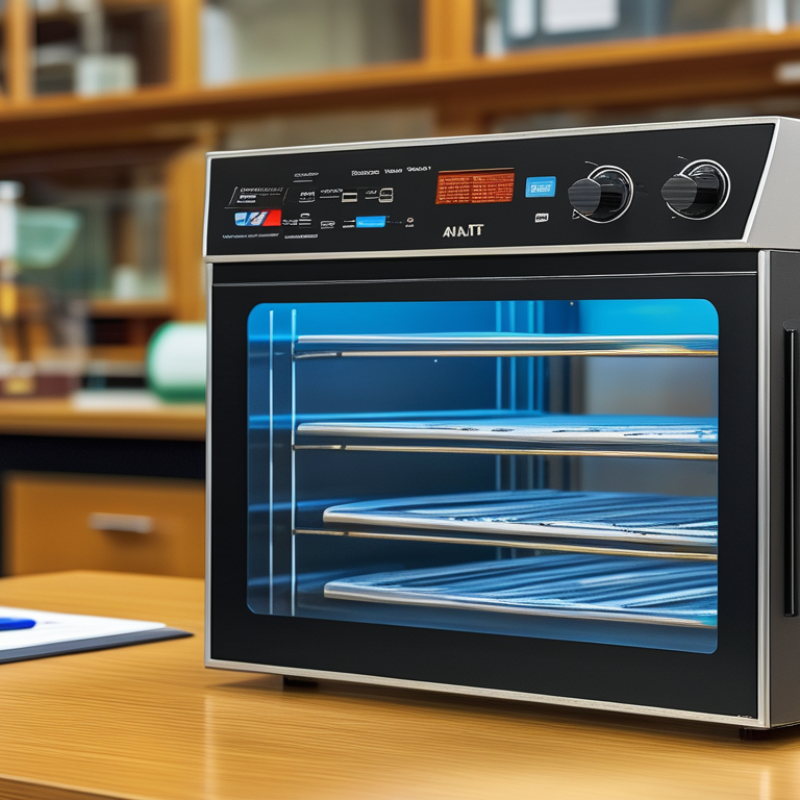
Best Lab Drying Ovens for Efficient and Reliable Results?

Types of Lab Drying Ovens and Their Applications

Lab drying ovens play a critical role in various scientific applications. They are essential for material testing, sample preservation, and essential research tasks. Different types of ovens cater to specific needs, ensuring reliable results in the lab environment.

Convection ovens, for instance, utilize a fan to circulate air. This design supports uniform drying and efficient heat distribution. They are ideal for drying samples quickly and are commonly used in materials testing. On the other hand, vacuum ovens operate by reducing pressure, allowing for lower temperature drying. This method is suitable for heat-sensitive materials, preventing any chemical changes during the drying process.

Desiccators are simpler devices used in labs for moisture removal. They often contain drying agents for specific samples. However, their efficacy can vary. Each type serves a purpose, yet results may differ depending on the sample and settings used. So, selecting the right oven takes careful consideration of specific lab requirements and the properties of the material being processed.

Best Lab Drying Ovens for Efficient and Reliable Results

This chart represents the average weekly usage hours for different types of lab drying ovens. It highlights the various applications and efficiency of each oven type in a laboratory setting.

Key Features to Consider When Choosing a Lab Drying Oven

Choosing the right lab drying oven can significantly impact your research efficiency. Several key features are essential when selecting an oven. Temperature control is crucial. It should maintain consistent temperatures within a narrow range. A reliable heating mechanism ensures uniformity across all samples, improving the accuracy of results.

Another important aspect is size and capacity. A compact oven may fit well in smaller labs but might limit your drying capacity. Consider your space and production needs. Additionally, insulation quality affects energy use. Poor insulation can lead to higher energy bills and inconsistent results. Look for models designed for optimal heat retention.

However, it’s also vital to reflect on the complexity of features. High-tech options may seem appealing, but they can be overwhelming. Simplicity is often more efficient. Easy-to-use controls can save time, especially in busy labs. Always consider the reliability of the manufacturer as well. Even low-cost ovens can be dependable if made by a reputable company. Making a well-informed choice can lead to significant improvements in your lab's productivity.

Best Lab Drying Ovens for Efficient and Reliable Results

Oven Model Temperature Range (°C) Capacity (L) Power (W) Features
Model A 50 - 250 30 1200 Digital control, forced air circulation
Model B 60 - 220 50 1500 Programmable timer, adjustable shelves
Model C 30 - 250 100 2000 Noiseless operation, energy-efficient
Model D 20 - 300 75 1800 Rapid heat-up, digital display
Model E 25 - 275 60 1500 Over-temperature protection, auto shut-off

Top Brands and Models of Lab Drying Ovens on the Market

When selecting a lab drying oven, efficiency and reliability are essential. The right oven can significantly enhance your lab's productivity. A recent industry report indicates that the global drying oven market is projected to grow by 4.5% annually, underscoring the importance of these devices in scientific research.

Many top models today feature advanced temperature control systems. This ensures uniform drying and minimizes sample loss. Some ovens utilize forced air circulation, which can reduce drying time by up to 30%. Precision in these settings is critical. Any inconsistency can lead to unreliable results.

A noteworthy aspect to consider is energy efficiency. Selecting models with energy-saving features can help labs reduce operational costs. However, not all ovens provide clear energy metrics. It's essential to review specifications carefully. Investing in a high-quality drying oven can greatly impact your outcomes. Yet, consistent maintenance is necessary to prevent performance degradation over time. An often-overlooked factor is user training—operating such equipment requires attention to detail to ensure accuracy in results.

Maintenance Tips for Prolonging the Life of Drying Ovens

Drying ovens are essential tools in many labs. Proper maintenance extends their life significantly. Regular inspections are crucial. A recent industry report indicates that nearly 75% of drying ovens fail due to inadequate care. These failures often result in costly downtime and repairs.

Cleaning the interior surfaces every month is vital. Residue can build up and affect results. Equipment should be calibrated regularly, as 20% of users report inconsistent temperature readings. This inconsistency can compromise the data integrity, making careful monitoring essential.

It's also important to note that while many maintain cleaning schedules, only 30% perform the necessary checks for air circulation systems. Poor airflow can lead to uneven drying. Keeping doors properly sealed and checking for wear are simple yet effective steps. By focusing on these details, labs can enhance reliability and efficiency in their drying processes.

Safety Considerations When Using Lab Drying Ovens

When using lab drying ovens, safety is essential. Always wear appropriate personal protective equipment, including gloves and goggles. The high temperatures involved can lead to burns. Ensure that the drying oven is placed in a well-ventilated area. This helps prevent the buildup of harmful fumes and maintains a safe working environment.

Be cautious with the materials you place inside the oven. Certain substances can become volatile and pose risks. Regularly check for equipment malfunctions. A faulty oven can lead to overheating or unsafe conditions. Monitor temperature settings closely to avoid accidents.

Proper training on oven operation is crucial. Laboratory staff should understand how to handle equipment safely. Encourage a culture of safety in the lab. Frequent discussions about risks can enhance awareness. Remember, safety protocols may seem tedious but they are vital for preventing accidents. A small oversight can lead to significant consequences.

FAQS

: What should I consider about temperature control in a lab drying oven?

: It should maintain consistent temperatures within a narrow range for accurate results.

How does the size of a drying oven matter?

A compact oven fits small labs but limits drying capacity. Balance space and production needs carefully.

Why is insulation quality important in an oven?

Poor insulation can lead to higher energy bills and inconsistent drying results. Look for optimal heat retention.

Is it better to choose high-tech features for lab ovens?

Not always. High-tech options can be overwhelming. Sometimes, simpler controls are more efficient and user-friendly.

What safety gear is necessary when using a drying oven?

Always wear gloves and goggles. They protect you from burns and other risks associated with high temperatures.

How can I ensure a safe working environment with drying ovens?

Place ovens in well-ventilated areas to prevent harmful fume buildup and maintain safety.

What should I do if I suspect equipment malfunctions?

Regularly check for faults. A malfunctioning oven can cause overheating and potentially dangerous situations.

Why is proper training important for lab staff?

Staff must understand safe handling and operation of the oven. This knowledge reduces the risk of accidents.

How can I promote safety culture in the lab?

Frequent discussions about risks are crucial. They raise awareness and keep safety protocols in mind.

What can happen if safety protocols are ignored?

A small oversight can lead to significant consequences, including accidents or injuries. Always stay vigilant.

Conclusion

Lab drying ovens are essential tools in various scientific and industrial applications, designed to efficiently remove moisture from samples and materials. The article discusses different types of lab drying ovens, highlighting their specific applications across fields such as pharmaceuticals, food processing, and materials testing. When selecting a lab drying oven, key features such as temperature uniformity, capacity, and user-friendly controls are crucial for achieving reliable results.

Additionally, maintaining the drying oven properly is vital for prolonging its operational life, with regular cleaning and calibration being necessary practices. Safety considerations are also emphasized to ensure safe operation, such as avoiding overload and ensuring proper ventilation. Overall, understanding these aspects helps in choosing the right lab drying oven that meets both efficiency and safety standards.


Madeline

Madeline

Madeline is a dedicated marketing professional with a wealth of expertise in our company's core offerings. With a keen understanding of the industry, she brings a unique perspective to her role, consistently delivering high-quality content that highlights the superior aspects of our products. As......