Industrial Heat Treating is a crucial process in manufacturing and metallurgy. It enhances the mechanical properties of metals and alloys, making them more durable and resistant to wear. This process involves heating and cooling materials to alter their structure. The benefits it provides are numerous and significant.
One of the primary advantages of Industrial Heat Treating is improved strength. Metals undergo changes that lead to higher tensile strength and resistance to fatigue. For industries relying on high-performance materials, this is essential. Additionally, precision is another critical factor. Properly heat-treated components fit together better, thereby increasing efficiency in production.
Moreover, Industrial Heat Treating can reduce costs in the long run. By enhancing product longevity, companies can save on replacements and repairs. However, achieving optimal heat treatment requires expertise. Improper techniques can lead to unfavorable outcomes. Therefore, it's vital to work with seasoned professionals in this field. They ensure that the benefits of Industrial Heat Treating are fully realized while minimizing risks.
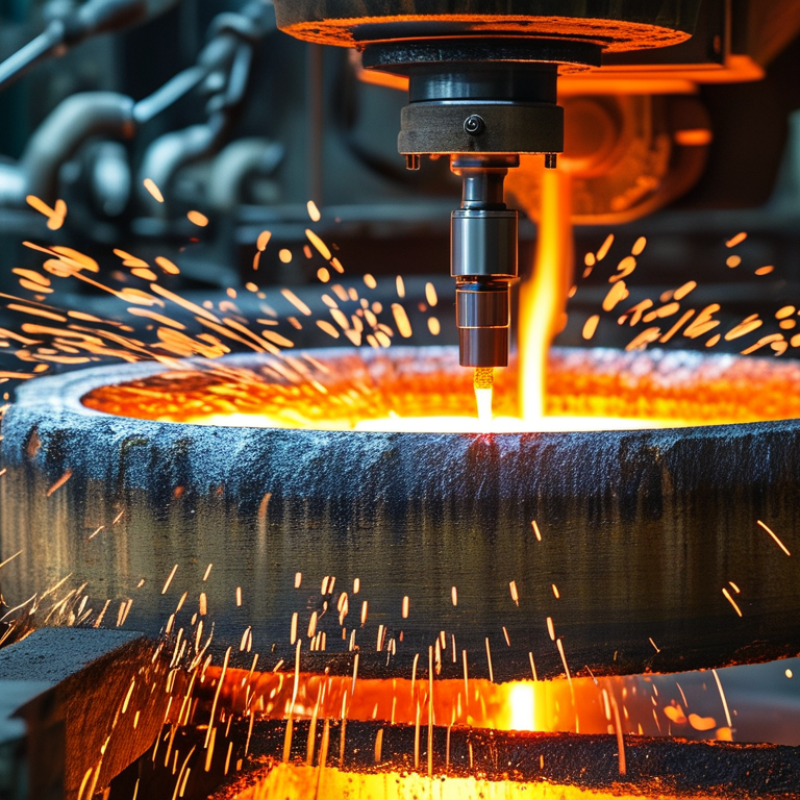
Definition of Industrial Heat Treating and Types of Processes
Industrial heat treating is a crucial process used to enhance the properties of metals and alloys. It involves heating materials to specific temperatures and then cooling them at controlled rates. This ensures that the materials exhibit desired characteristics, such as increased strength and improved ductility.
There are several types of heat treating processes. Annealing is one of the most common. It involves heating metal and then allowing it to cool slowly. This method can relieve internal stresses and improve workability. Quenching is another popular technique, where metal is rapidly cooled in water or oil. This enhances hardness, but it can lead to brittleness if not managed properly.
Tempering, on the other hand, is aimed at reducing brittleness after quenching. By reheating the material to a lower temperature, some ductility is restored. Each process has its specific applications and implications. It’s important to consider that improper heat treating can lead to unintended flaws. Understanding the right method for each application is essential for achieving reliable results.
Advantages of Enhanced Material Properties through Heat Treating
Heat treating is essential in enhancing the material properties of metals and alloys. This process alters the physical and sometimes chemical properties of materials, making them more suitable for various applications. Common methods include quenching, annealing, and tempering. Each method shapes unique characteristics in the material. Hardness, strength, and ductility all see significant improvements through heat treatment.
The benefits are clear. For instance, the hardness of steel can increase dramatically after proper heat treatment. Achieving desired hardness helps in extending the service life of components. Ductility often improves too, allowing materials to withstand deformation without breaking. This becomes crucial in industries where safety is paramount. Yet, not all materials respond the same; some may require multiple treatments or adjustments in temperature.
However, not all results are perfect. Improper heat treatment can lead to warping or brittleness. This highlights the importance of skilled technicians and precise controls. Every heat treating operation should involve careful monitoring. Continuous improvement in processes is necessary to eliminate discrepancies. Striving for consistent results should always be a priority.
Cost Efficiency and Operational Benefits of Heat Treatment Services
Industrial heat treating services offer significant
cost efficiency and operational benefits. This processing method enhances material properties, making components
more durable and reliable. Improved
strength and resistance to wear can lead to less frequent replacements. This translates to
lower long-term costs for businesses.
Investing in heat treatment services can streamline production. Heat-treated materials often require less machining
and subsequent work. This can save time and reduce labor costs. Additionally, heat treatment can minimize the
likelihood of product failures, which reduces costly downtime.
Tip: Always evaluate the types of materials you work with
to identify suitable heat treatment options. Understand the specific benefits each process can bring to your operations.
On the flip side, companies should assess the initial costs of heat treatment processes. Sometimes, these expenses
can be a barrier for small businesses. Conducting a
cost-benefit analysis is crucial before committing
to such services.
Tip: Keep an eye on industry trends to stay informed about
advancements in heat treating technology. This knowledge can help you make educated decisions that align with
your operational goals.
Impact on Product Longevity and Performance in Industrial Applications
Industrial heat treating services play a crucial role in enhancing product longevity and performance. By exposing materials to controlled heat cycles, manufacturers can change the physical properties of metals. This process improves the hardness, toughness, and ductility of components. The result is products that withstand higher stresses and extreme conditions. However, achieving the right balance in heat treatment can be tricky. Overheating may lead to brittleness, while insufficient heating may not provide the desired strength.
Moreover, the impact on products extends beyond just durability. Heat treatment also affects wear resistance and fatigue life. Components in heavy machinery or aerospace applications benefit greatly. They experience reduced maintenance costs and improved operational efficiency. Yet, there is a margin for error in how different materials react to heat. Engineers must constantly evaluate the effectiveness of their heat treatment processes. Adjustments are often needed based on specific application requirements.
In industrial settings, the choice of heat treatment methods can significantly influence end-product quality. Whether it's quenching, tempering, or annealing, each technique offers distinct advantages. However, not all methods are suitable for every application. It's essential for professionals to continually refine their expertise. This attention to detail can yield substantial improvements in productivity and product reliability.
Environmental Considerations in Industrial Heat Treating Practices
Industrial heat treating services play a pivotal role in manufacturing, but they also have significant environmental implications. A report by the American Society for Metals highlights that traditional heat treating processes often emit greenhouse gases and other pollutants. For example, certain types of furnaces can release up to 200 tons of CO2 annually. This level of emissions has raised concerns within the industry and among regulatory bodies.
The need for sustainable practices in heat treating is becoming urgent. Companies are exploring new technologies to minimize their environmental footprint. An industry study from the National Association of Manufacturers shows that adopting electric heat treating technologies can reduce emissions by up to 60%. However, the transition requires investment and expertise, which not all companies may possess.
While advancements are promising, not all practices are moving fast enough. Some existing methods still rely heavily on fossil fuels, leading to a slower adaptation to cleaner technologies. This gap highlights an important area for reflection: the need for industry-wide commitment to embrace greener practices. Finding a balance between operational efficiency and environmental responsibility remains a pressing challenge in industrial heat treating.
FAQS
: Heat treating enhances the material properties of metals and alloys, making them suitable for various applications.
Common methods include quenching, annealing, and tempering, each creating unique material characteristics.
Heat treating increases hardness, strength, and ductility, helping materials withstand deformation without breaking.
Yes, improper heat treatment can cause warping or brittleness, underscoring the need for skilled technicians.
They require less machining and help reduce labor costs, leading to significant long-term savings.
Companies must evaluate initial costs and perform a cost-benefit analysis to ensure it's feasible.
Traditional heat treating can emit harmful pollutants, raising concerns about sustainability and environmental impact.
Yes, electric heat treating technologies can reduce emissions significantly but require investment and expertise.
Balancing operational efficiency with environmental responsibility is a pressing challenge for the industry.
Keeping an eye on industry trends helps companies make educated decisions aligned with their goals.
Conclusion
Industrial Heat Treating refers to a range of processes used to alter the physical and sometimes chemical properties of materials, primarily metals. This treatment enhances material properties, such as strength and durability, making them suitable for various industrial applications. The advantages of Industrial Heat Treating include improved performance characteristics, increased rigidity, and fatigue resistance, which contribute to the overall efficiency of products.
In addition to enhancing material properties, Industrial Heat Treating services also offer significant cost efficiency and operational benefits. By improving product longevity and minimizing wear and tear, companies can reduce replacement costs and downtime. Furthermore, modern heat treating practices take environmental considerations into account, utilizing techniques that aim to minimize waste and energy consumption. Overall, the application of Industrial Heat Treating supports both the economic and ecological objectives of today's manufacturing industries.

 XUD Ovens