When it comes to laboratory equipment, choosing the right Compact Laboratory Oven is crucial for achieving reliable results. These ovens offer versatility in various applications, including drying, curing, and sterilization. Their compact size makes them ideal for labs with limited space, which many professionals face today.
Buyers need to consider several factors before making their purchase. For instance, temperature range, airflow designs, and energy efficiency are important specifications. Understanding these features can greatly impact your laboratory's efficiency and effectiveness. However, finding the best fit for your needs may be challenging, as the market is flooded with options.
While many brands claim to deliver high-quality ovens, not all fulfill such promises. Researching reputable manufacturers and reading user reviews is essential. This ensures that you invest in a reliable Compact Laboratory Oven that meets your expectations. Balancing cost with quality is vital, and this can require some trial and error. The right choice can enhance your lab's operations and provide consistent outcomes over time.
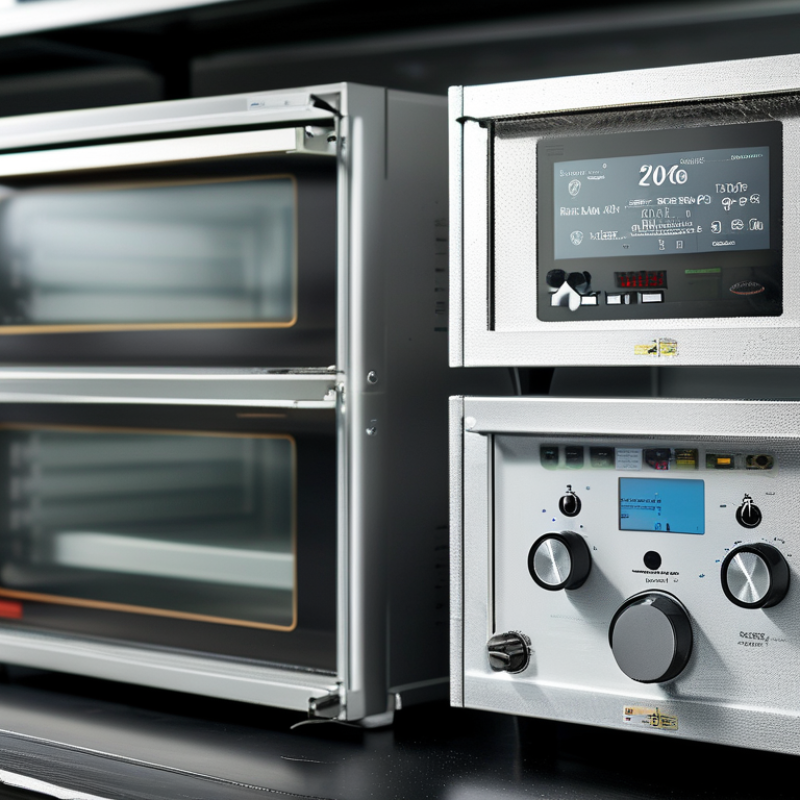
Understanding Compact Laboratory Ovens: Types and Features
Compact laboratory ovens are vital for various scientific applications. These ovens serve crucial roles in research and development, quality control, and material testing. The global market for laboratory ovens is projected to reach $1.5 billion by 2026, indicating robust growth in demand.
There are several types of compact laboratory ovens. Forced convection ovens provide even temperatures and efficient heating. Gravity convection ovens are often less expensive but may have temperature variations. A study by ResearchAndMarkets highlights that forced convection ovens account for over 60% of the market share due to their reliability. Users should assess their specific needs carefully before making a choice.
Features vary significantly among different models. Some ovens offer programmable settings, while others have basic controls. Most compact ovens operate at temperatures up to 300°C, essential for many applications. However, reflecting on energy consumption is important. While high efficiency is desirable, some models can consume more energy than others. Buyers must weigh the benefits of advanced features against their actual requirements.
2026 Compact Laboratory Oven Buying Guide for Global Buyers
| Oven Type |
Temperature Range (°C) |
Capacity (Liters) |
Heating Method |
Price Range (USD) |
| Standard Laboratory Oven |
50 - 250 |
30 |
Natural Convection |
500 - 1200 |
| Forced Air Laboratory Oven |
50 - 300 |
60 |
Forced Air Circulation |
700 - 1500 |
| Biosafety Oven |
60 - 250 |
20 |
Natural Convection |
600 - 1300 |
| Vacuum Laboratory Oven |
40 - 200 |
80 |
Vacuum |
900 - 2500 |
| Drying Oven |
50 - 350 |
40 |
Natural Convection |
400 - 900 |
Key Specifications to Consider When Buying a Compact Laboratory Oven
When purchasing a compact laboratory oven, key specifications play a vital role in ensuring optimal performance.
Temperature range is a primary consideration. Most compact models operate between 50°C and 200°C. However, some advanced models may reach temperatures of 300°C. A broader range allows versatile applications, accommodating various experiments.
Uniformity is another critical specification. It defines how evenly heat is distributed inside the oven. Reports indicate that temperature variation within 2-5°C is acceptable for most laboratory work. Investing in an oven with superior uniformity can enhance experimental accuracy, which is crucial for detailed research.
Moreover, energy efficiency is increasingly essential. The U.S. Department of Energy emphasizes that energy-efficient equipment can reduce operational costs significantly. Models with better insulation and digital controls not only save energy but also provide a more stable temperature. Remember that functionalities like easy access and programmable settings can simplify your workflow, but they may also come with complexities that require time to master. Balancing advanced features with usability is vital when making your choice.
Top Brands and Models of Compact Laboratory Ovens in 2026
When selecting a compact laboratory oven in 2026, it is essential to focus on top brands and models that meet specific needs. Consider ovens with reliable temperature controls and efficient energy use. These features ensure consistent results for various applications.
One recommended tip is to assess the size of the oven. Compact laboratory ovens come in different capacities, so it’s crucial to choose one that fits your workspace. This will help avoid overcrowding or wasting energy due to underutilization.
Another important factor is the oven's safety features. Look for models equipped with automatic shut-off mechanisms and temperature alarms. These additions can enhance operational safety, providing peace of mind during use.
When examining models, pay attention to user reviews and customer feedback. Real-world experiences often reveal strengths and weaknesses that specifications might not cover. Engaging with fellow lab users can provide insights that guide your decision-making process.
Budgeting for Your Compact Laboratory Oven Purchase: Costs and Options
Purchasing a compact laboratory oven requires careful budgeting and consideration of various options. Prices can vary significantly based on features, capacity, and brand. Typically, basic models start around $500, while advanced options may reach $3,000 or more. It’s crucial to evaluate the specific needs of your laboratory when determining your budget.
When budgeting, think about the long-term costs beyond the initial purchase price. For example, energy efficiency impacts ongoing costs. A more efficient oven may cost more upfront but save money on electricity in the long run. Additionally, consider maintenance expenses and replacement parts. These can add to your overall spend.
Tips: Regularly compare prices from multiple suppliers. This ensures you get the best deal. Research user reviews and ask peers for their experiences. Their insights can highlight potential issues and save you headaches later. Be prepared to adjust your budget based on these factors. Reflect on your priorities—what features are essential versus nice-to-have? This self-awareness will guide a smarter purchase.
Maintenance and Safety Tips for Compact Laboratory Ovens in Use
Maintaining compact laboratory ovens is crucial for safety and efficiency. Regularly inspect the oven’s door seal to ensure a tight closure. A damaged seal can lead to temperature fluctuations. Additionally, check heating elements for uneven wear. This can affect the oven’s performance and reliability.
Proper usage is equally important. Avoid overcrowding the oven, as it can lead to poor air circulation. Always place items at least an inch away from the oven walls. This practice promotes even heat distribution. If you notice unusual noises or smells, turn off the oven immediately. These could be signs of malfunction.
Cleaning is another vital aspect. Residual materials can pose risks if not addressed. Use lint-free cloths and mild cleaners for the interior. Harsh chemicals can damage surfaces. Ensure the oven cools down before cleaning to prevent burns. This attention to detail can prolong the oven’s lifespan and enhance safety during operation.
Compact Laboratory Oven Temperature Regulation Performance
This chart illustrates the temperature stability of various compact laboratory ovens. A lower degree of temperature variation indicates better performance in maintaining consistent temperatures, which is crucial for laboratory applications.
FAQS
: They are essential for research, quality control, and material testing in scientific applications.
Forced convection ovens provide even heating, while gravity ovens may have temperature variations and are often less expensive.
Most compact models work between 50°C and 200°C, though some can reach up to 300°C.
Better uniformity ensures even heat distribution, enhancing the accuracy of experiments by limiting temperature variations.
Energy-efficient models can significantly lower costs, especially those with good insulation and digital controls.
Programmable settings and easy access can simplify workflows but may come with complexities that need time to understand.
The right size prevents overcrowding and ensures you don’t waste energy with an underutilized oven.
Automatic shut-off mechanisms and temperature alarms improve safety and provide peace of mind during use.
Engaging with reviews helps uncover strengths and weaknesses not noted in specifications, guiding better choices.
Conclusion
The "2026 Compact Laboratory Oven Buying Guide for Global Buyers" provides essential insights for selecting the right compact laboratory oven. It begins by detailing the various types and features of compact laboratory ovens, highlighting how they cater to different laboratory needs. The guide also emphasizes key specifications that buyers should consider, such as temperature range, interior capacity, and precision, ensuring that users make informed choices.
Additionally, the article outlines budgeting strategies for purchasing compact laboratory ovens, offering insights into potential costs and available options. Finally, it includes maintenance and safety tips to ensure optimal performance and longevity of the ovens in use. This comprehensive guide serves as a valuable resource for global buyers looking to invest in compact laboratory ovens, balancing performance, cost, and safety effectively.

 XUD Ovens